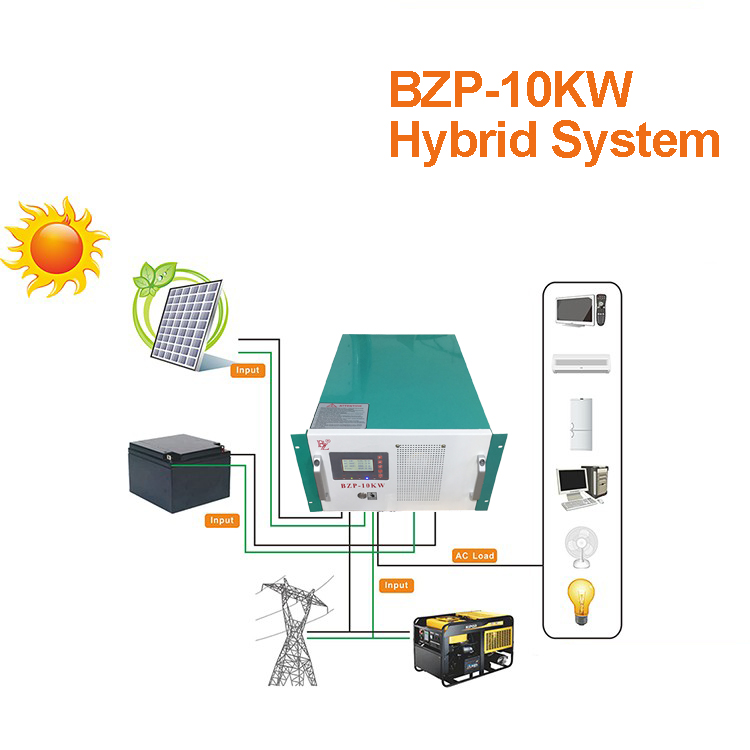
The energy market is changing so fast these days, and how well our energy conversion tech works really matters — whether you're talking about homes or businesses. One tech that stands out right now is the Power Frequency Converter. It’s kind of a big deal when it comes to making sure energy gets used efficiently, especially in systems that rely on renewable sources or have advanced battery storage. Bangzhao Electric Co., Ltd. has been leading the charge in this space over the past decade, coming up with all kinds of cool solutions like lithium battery storage, bi-directional energy systems, and smooth-sounding sine wave inverters. As we compare different types of Power Frequency Converters, our goal is to find those that not only perform really well but also support the rising demand for clean, green energy. Come along as we dig into the differences and latest advancements in this super important area — it’s all about figuring out which options are really making a difference on our way to a more sustainable future!
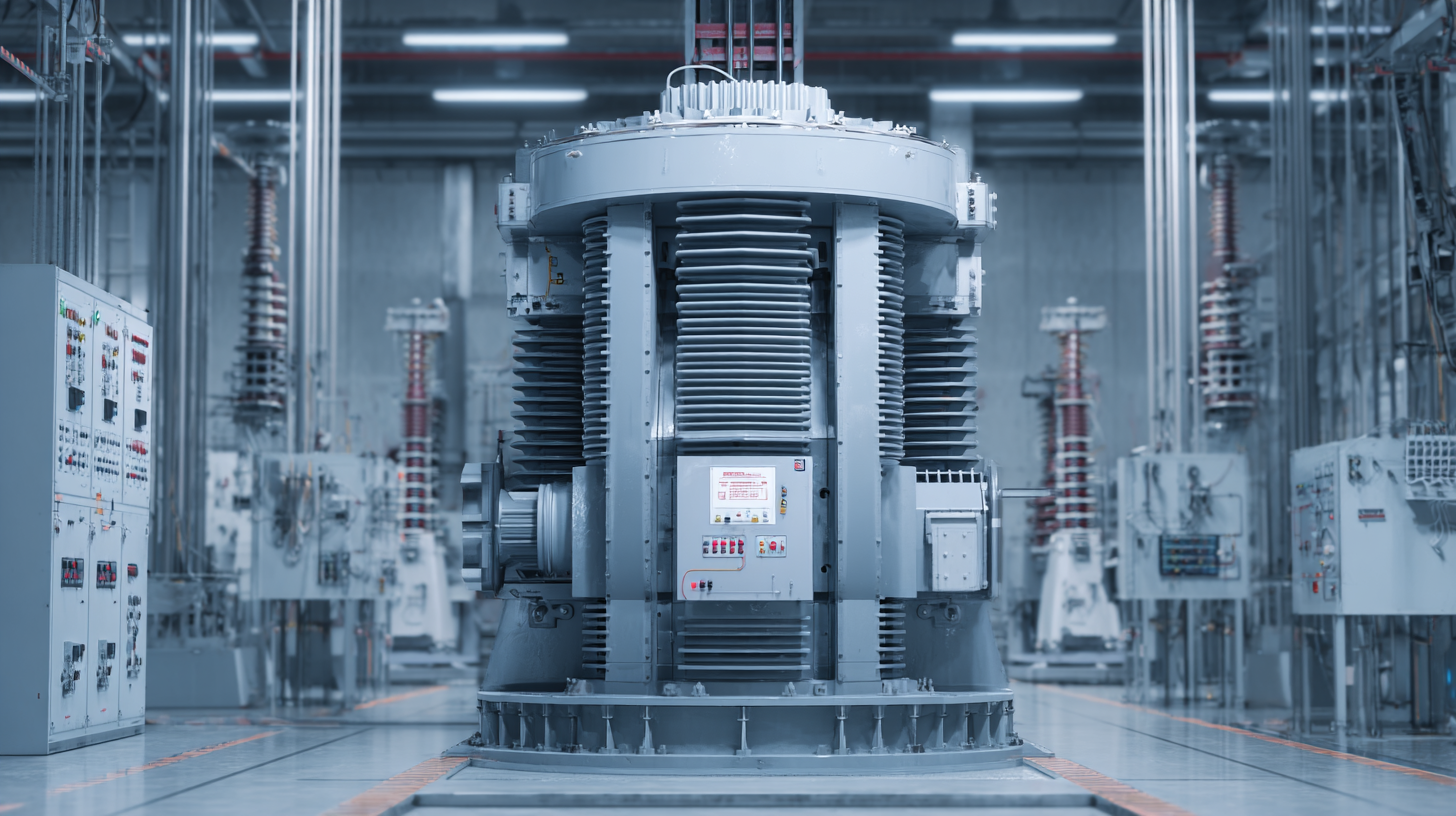
Understanding Power Frequency Converters: An Overview of Technologies
Power frequency converters are pretty essential in a bunch of different areas — whether it’s hooking up renewable energy sources or running industrial motors. Honestly, understanding the different technologies behind these converters is such a big deal if you want to choose the right equipment for whatever you’re working on. Traditional AC/DC to AC converters, for example, usually have this two-stage setup that’s pretty reliable, especially when the power grid isn’t steady. Thanks to their good efficiency and flexible design, they’re often the go-to for lots of industrial processes.
But lately, newer tech like grid-forming inverters are really starting to get noticed, especially with all the focus on renewable energy. These inverters are pretty cool because they can keep the grid stable even when traditional power sources might falter. They help with better frequency response and make it easier to bring more renewable sources into the mix, even if those sources are a bit unpredictable.
As we keep pushing forward with power conversion tech, things like reducing harmonic distortion and boosting overall efficiency are still top priorities. It’s basically an ongoing game of evaluating different technologies to find what works best — and that’s what keeps the industry evolving.
Comparative Analysis: Thyristor-Based vs. PWM Technologies
When you think about power frequency converters these days, there's quite a buzz around the debate between traditional thyristor-based systems and the newer pulse-width modulation (PWM) ones. For ages, thyristor converters have been the go-to, especially in heavy-duty industrial setups, because they’re tough and efficient. A recent market report from ResearchAndMarkets mentions that roughly 60% of industrial converters on the market are thyristor-based — mainly because they handle high voltages well and keep performance steady. But, on the flip side, PWM technology is making waves. It offers better precision and can be much more energy-efficient. In fact, the International Energy Agency (IEA) highlights that PWM systems can hit efficiency levels of up to 95%, which is a big jump compared to traditional thyristor setups.
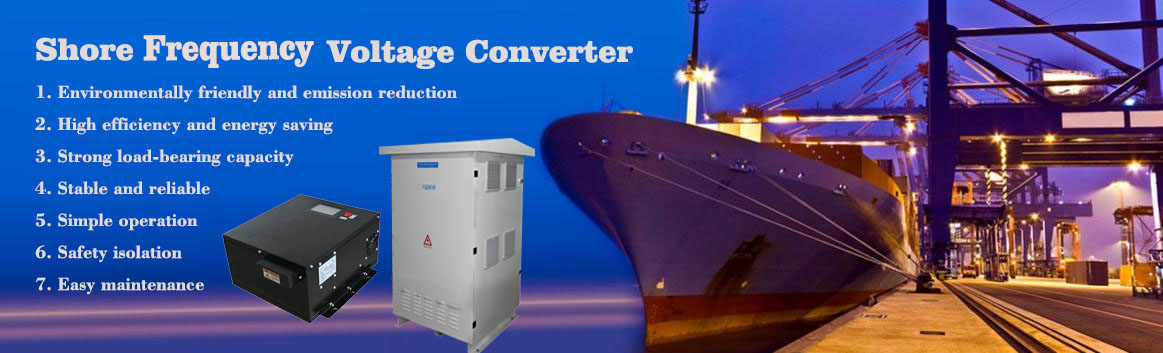
So, when you're trying to decide which tech to go for, it really depends on what your specific energy needs are. For heavy industrial operations where durability is key, thyristors probably make the most sense. But if efficiency and reducing harmonic distortion are your top priorities, PWM is definitely worth considering.
A quick tip: When you're weighing your options, chat with a specialist who really knows their stuff. They can help you figure out which technology aligns best with what you’re trying to achieve. Also, don’t forget to do a proper cost-benefit analysis — think about both the initial investment and the potential savings in energy over time. Upgrading to PWM might involve some upfront cost, but the efficiency gains could make it a pretty smart move in the long run.
Efficiency Metrics: How Different Technologies Measure Up
When it comes to power frequency converters, making them as efficient as possible is really a big deal. There are different types out there—like solid-state converters, rotary converters, and transformer-based systems—and each has its own pros and cons when it comes to efficiency. According to a report from the International Electrotechnical Commission, solid-state converters can hit energy efficiencies of up to 98%, which is pretty impressive. On the other hand, traditional rotary converters usually run around 90 to 92%. That might sound like a small difference, but in certain applications where energy loss directly affects your operating costs, it can really add up.
Now, when you’re trying to figure out which converter to go with, it’s worth paying attention to the Total Harmonic Distortion (or THD for short). Typically, solid-state ones tend to have lower THD levels, which means cleaner power output and less wear and tear on your equipment. In fact, systems with lower THD can save you up to 20% in energy costs—no joke.
Here's a little tip: Whenever you're choosing a converter, make sure to check its efficiency rating and THD levels. Trust me, taking a moment to do that can really pay off in the long run.
And don’t forget about the environmental side of things! Converters with Energy Star ratings not only cut down on energy use but also reduce your carbon footprint quite a bit compared to non-certified options.
Another tip: Opt for converters that meet recognized energy standards—it's good for your wallet and the planet, all at once.
Applications and Use Cases: Where Each Converter Excels
When you're dealing with power frequency converters, it’s really important to understand where and how they’re used — that way, you can pick the right one without any hassle. Each type has its own strengths and is tailored for specific needs in different industries. For example, rotary converters are often the go-to in heavy industrial settings ‘cause they’re tough and can handle big power loads pretty efficiently. On the flip side, static converters are more common in places like data centers and telecom setups — where a compact size and energy savings really matter.
**Tip:** When you're choosing converters for industrial stuff, think about how much power you'll need and the conditions they'll run in — it makes a big difference in making sure everything runs smoothly.
Now, in renewable energy projects, inverters are kinda like the superheroes — turning the DC power from solar panels into AC power that goes into the grid. They’re great at squeezing every bit of energy out of your panels, especially when you link them up with good energy management systems. Plus, frequency converters are super useful in machinery that needs tricky speed control, making them pretty versatile — whether it’s manufacturing or HVAC systems.
**Tip:** If you’re looking ahead, try to pick converters that play nice with the grid — this way, your investment in renewable energy stays future-proof and flexible.
Power Frequency Converter Technology Comparison
This chart compares the performance indices of different power frequency converter technologies. The Static Frequency Converter leads in performance with a score of 85, while the Rotary Frequency Converter follows closely with a score of 75. The Inverse Frequency Converter and Matrix Converter show lower performance indices, scoring 65 and 70 respectively.
Future Trends in Power Frequency Conversion Technologies
Looking ahead, it’s pretty clear that power frequency conversion technologies are heading for some exciting upgrades. A big part of this comes from the skyrocketing demand for electric vehicles and the push for better energy efficiency overall. Industry folks are saying that the market for DC-DC converters is booming right now, especially with a growing appetite for both isolated and non-isolated types. This shift is mainly driven by the auto industry moving full-speed into electrification, as governments around the world ratchet up their climate goals.
Power semiconductors are really at the heart of all this change. They’re becoming the backbone of energy conversion and circuit control in a ton of electronic devices. The global market for these semiconductors is expected to grow like crazy — I’d say it’s a huge opportunity for innovation, especially for domestic manufacturers trying to compete. By 2030, the market size might even cross 600 billion yuan, all thanks to ongoing advances in power electronics tech.
**Pro tip:** For companies looking to jump on this bandwagon, investing in cutting-edge converter tech and building solid supply chains with semiconductor producers could give you a real leg up. Plus, exploring bi-directional energy storage solutions can really boost system efficiency and sustainability down the line.
Power Frequency Converter Showdown: Which Technology Reigns Supreme
| Technology | Efficiency (%) | Cost ($/kW) | Size (kW) | Application |
| Silicon-Based Converters | 90 | 150 | 50 | Industrial Equipment |
| SiC (Silicon Carbide) Converters | 95 | 200 | 30 | Renewable Energy Systems |
| GaN (Gallium Nitride) Converters | 98 | 250 | 20 | EV Charging Stations |
| Hybrid Converters | 93 | 180 | 40 | Data Centers |
| Transformers | 85 | 100 | 100 | Power Distribution |
Transforming Power Efficiency: The Benefits of a Static Digital Converter from Single to 3 Phase
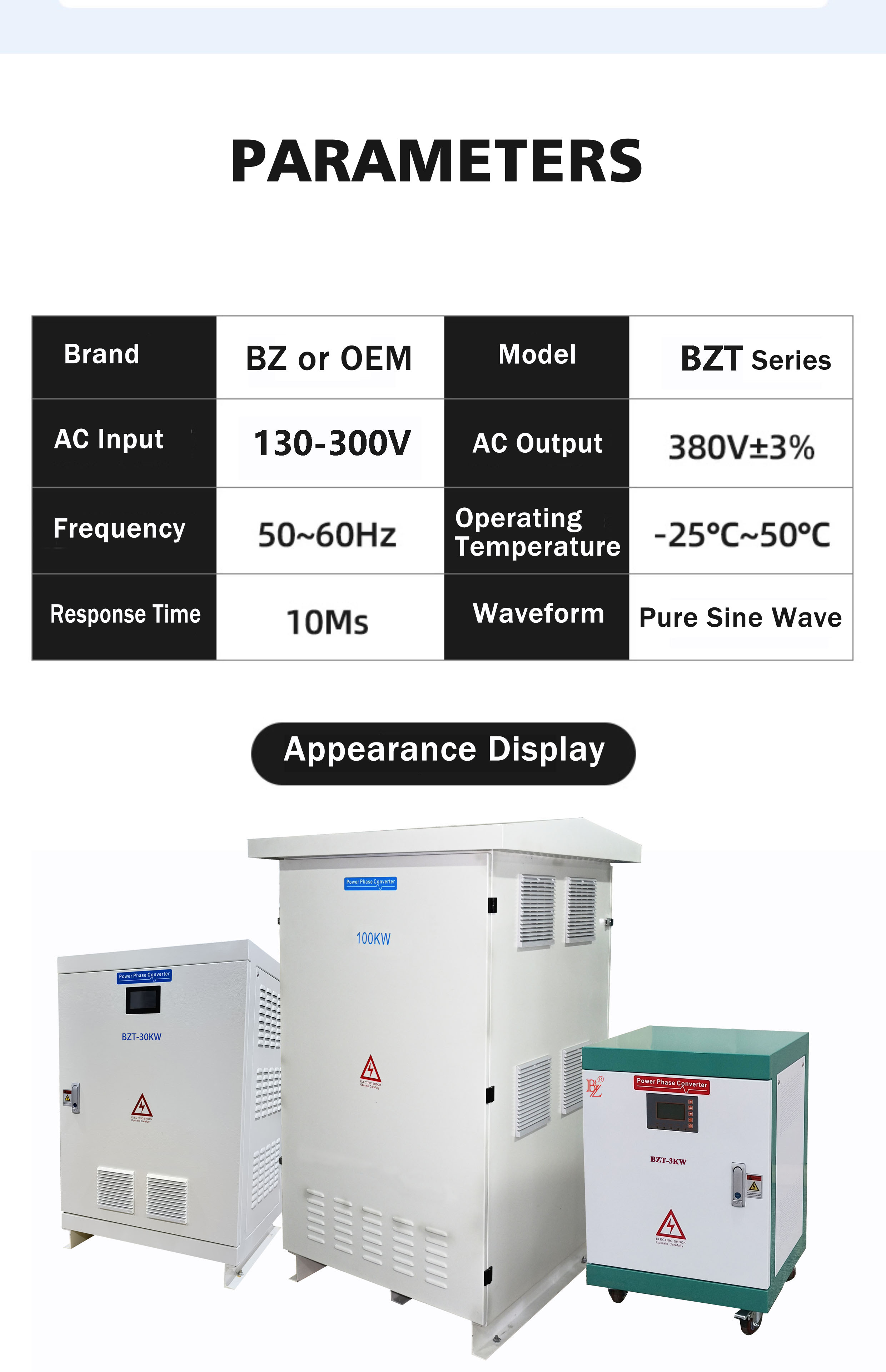
In today's industrial landscape, optimizing power efficiency is paramount, and the transformation from single-phase to three-phase power supply offers significant advantages. The introduction of advanced static Digital Converters plays a crucial role in this transition. These devices utilize cutting-edge digital control technology, resulting in outstanding performance with output harmonic distortion limited to just 3%. This feature is vital, as excessive harmonic distortion can lead to equipment malfunctions and increased operational costs, emphasizing the importance of investing in effective power conversion solutions.
Recent industry reports indicate that the demand for three-phase systems is surging, driven by the need for high efficiency in large-scale applications. With a power range of 3-200 kW, the static digital single-phase to three-phase Power Converter is designed to meet diverse industrial requirements. It also incorporates multiple protective measures against overloads, short circuits, and both over-voltage and under-voltage situations, ensuring reliable operation and extending the lifespan of connected equipment. This level of protection is essential, as equipment failures can result in costly downtime and repairs.
As industries increasingly focus on sustainability and energy efficiency, switching to a three-phase system supported by a robust static digital converter not only enhances power utilization but also aligns with global energy-efficiency initiatives. By investing in such technology, companies can significantly reduce their carbon footprint while improving operational efficiencies, making it a strategic choice in today's competitive market.
FAQS
: Solid-state converters can achieve energy efficiencies as high as 98%, while traditional rotary converters typically operate around 90-92%.
THD values are essential as they affect the quality of power output and the lifespan of connected equipment. Solid-state converters often have lower THD levels, which can reduce energy costs by up to 20%.
It’s important to evaluate both the efficiency rating and THD levels to ensure optimal performance and savings over time.
Energy Star-rated converters significantly reduce energy consumption and carbon footprints compared to non-certified counterparts, benefiting both budgets and the environment.
Rotary converters are favored in heavy industrial applications due to their robustness and ability to handle significant power loads efficiently.
Static converters are preferred in environments where compact design and energy efficiency are crucial.
Inverters convert DC from solar panels into AC for grid use, maximizing energy output, especially when paired with energy management systems.
The increasing demand for electric vehicles (EVs) and a growing emphasis on energy efficiency are driving significant advancements in power frequency conversion technologies.
Power semiconductors are becoming crucial for energy conversion and circuit control in electronic devices, driving significant market growth and innovation.
Companies should invest in advanced converter technologies, solidify supply chain relationships with semiconductor manufacturers, and adopt bi-directional energy storage solutions to enhance efficiency and sustainability.
Conclusion
When it comes to power conversion, choosing the right technology can really make a difference in how efficient it is and what it's best suited for. In this article, I want to take a closer look at Power Frequency Converters, breaking down what's out there in the market. We’ll compare different tech, like thyristor-based systems versus pulse-width modulation (PWM), and talk about what performance metrics really matter when it comes to their efficiency.
Plus, I’ll walk you through some specific use cases where each tech shines — you’ll see how they fit into today’s energy solutions. As things keep moving forward in this industry, it's super important to stay informed about what’s coming next in power frequency conversion tech. At Bangzhao Electric Co., Ltd., we’re all about providing top-notch solutions, whether that’s bi-directional energy storage or Pure Sine Wave Inverters, so our customers can benefit from the latest and greatest in power conversion technology.