In today’s super competitive world, more and more businesses are jumping on board with new tech solutions like the Pv Pump Inverter. Honestly, it’s a game-changer—helping to boost efficiency and cut down on operating costs. I read that, according to the Solar Energy Industries Association, using PV tech for irrigation can actually slash energy bills by up to 40%. Crazy, right? These numbers really show just how important it is to adopt smarter energy solutions.
Industry experts, like Dr. Emily Thornton over at GreenTech Innovations, stress how big of a deal this upgrade is. She mentioned, “Investing in a Pv Pump Inverter can totally transform your energy game and support sustainable growth.” It’s pretty clear that having reliable tech like this is crucial for modern businesses.
When companies make the leap to include a Pv Pump Inverter, not only do they become more energy-efficient, but they’re also helping out the environment. That said, it’s not all sunshine and rainbows—there are some things to watch out for, like the upfront installation costs. Finding the right balance is key so you can enjoy the benefits without getting overwhelmed by initial expenses. The whole journey towards more efficient energy use isn’t a quick fix; it takes some planning, a bit of trial and error, and staying flexible along the way.
Advantages of Enhanced Energy Efficiency with PV Pump Inverters
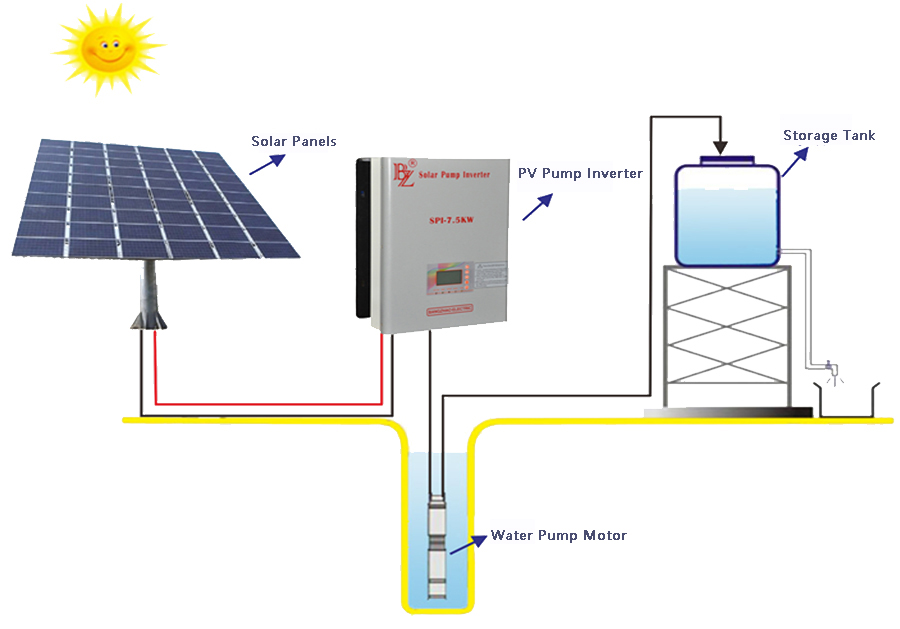
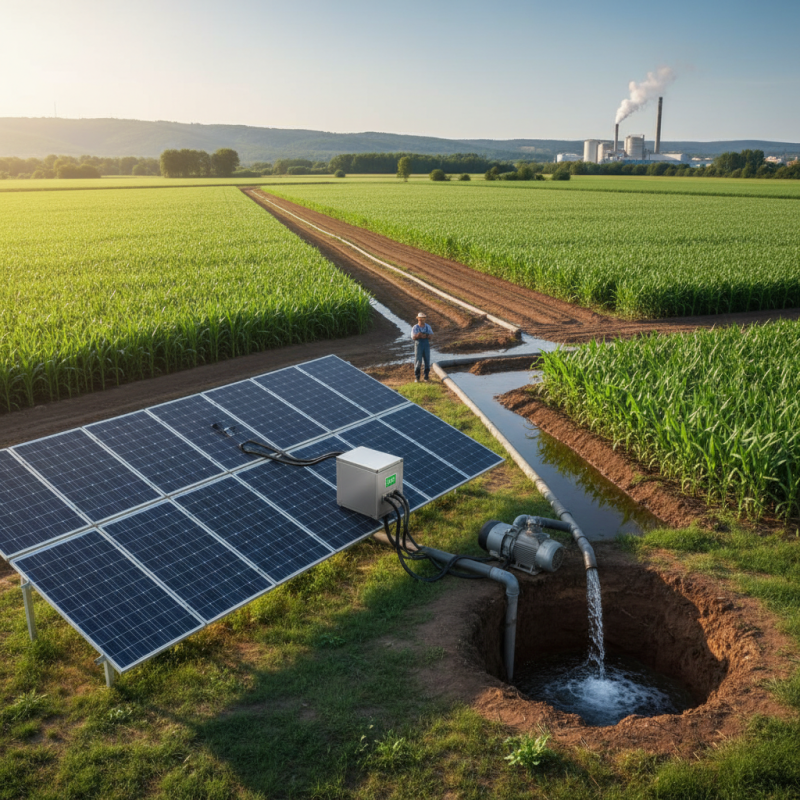
Using a PV pump inverter can greatly enhance energy efficiency for your business. These inverters optimize the use of solar energy. They control the motor speed based on solar availability. This feature ensures that you only use the energy you need. Energy savings can be significant, especially during peak sunlight hours.
When implementing Solar Pump Inverters, consider your specific energy needs. Assess the water requirements for your operations. A tailored approach ensures maximum efficiency. Monitor your system regularly. This will help you identify any performance issues early. Even minor tweaks can lead to better energy usage and reduced costs.
Investing in renewable technology is not without challenges. Some businesses may find the initial setup daunting. Maintenance may require specialized knowledge. It is essential to have trained personnel who understand inverter technology. This investment in training can pay off with optimal system performance.
Cost Savings Through Reduced Energy Consumption for Businesses
In today’s industrial landscape, cost efficiency is paramount. Implementing a photovoltaic (Pv) pump inverter can significantly reduce energy costs. Research from the International Energy Agency indicates that businesses can cut energy expenses by up to 30% with inverter technology. This reduction allows companies to reallocate funds to other crucial areas.
Running a pump with a traditional motor incurs high energy costs. In contrast, a Pv pump inverter manages energy use more effectively. It adjusts operation based on demand, leading to lower electricity consumption. Reports suggest that over 60% of operational costs in certain sectors come from energy use. By integrating inverter systems, companies can directly impact their bottom line.
When examining real-world application, energy savings vary by sector but remain substantial. A manufacturing plant might save thousands annually by optimizing pump efficiency. However, the initial investment for such technology can be daunting. Companies must consider long-term benefits. Despite the upfront costs, the overall savings and enhanced energy management justify the choice. Implementing a Pv pump inverter isn't just strategic; it's a necessary step for future sustainability.
Cost Savings Through Reduced Energy Consumption for Businesses Using PV Pump Inverter
Improved Reliability and Durability of Pump Systems
Using a pump inverter can significantly enhance the reliability and durability of pump systems, crucial for business operations. According to a report from the International Energy Agency, inefficient pump systems account for nearly 20% of industrial energy consumption. This inefficiency leads to wear and tear of components, ultimately increasing maintenance costs. With a pump inverter, businesses can optimize energy usage, resulting in smoother and more reliable operations.
Pump inverters help maintain consistent flow rates. They adjust motor speed based on real-time demand. This function prevents overshooting and reduces mechanical stress on pumps. A study by the U.S. Department of Energy shows that variable speed drives can extend equipment life by up to 50%. This reduction in mechanical failures enhances durability across the system.
**Tip:** Regularly monitor the performance of your inverter system. This can identify any anomalies early, preventing costly breakdowns.
Regular maintenance is essential. While pump inverters reduce strain, they still require attention. Neglecting routine checks may lead to issues that compromise reliability. Keeping an eye on the inverter’s performance is as important as maintaining the pump itself.
**Tip:** Invest in training for your maintenance team. Well-informed staff can spot potential issues, ensuring your pump systems remain efficient.
Flexibility and Scalability for Diverse Agricultural Applications
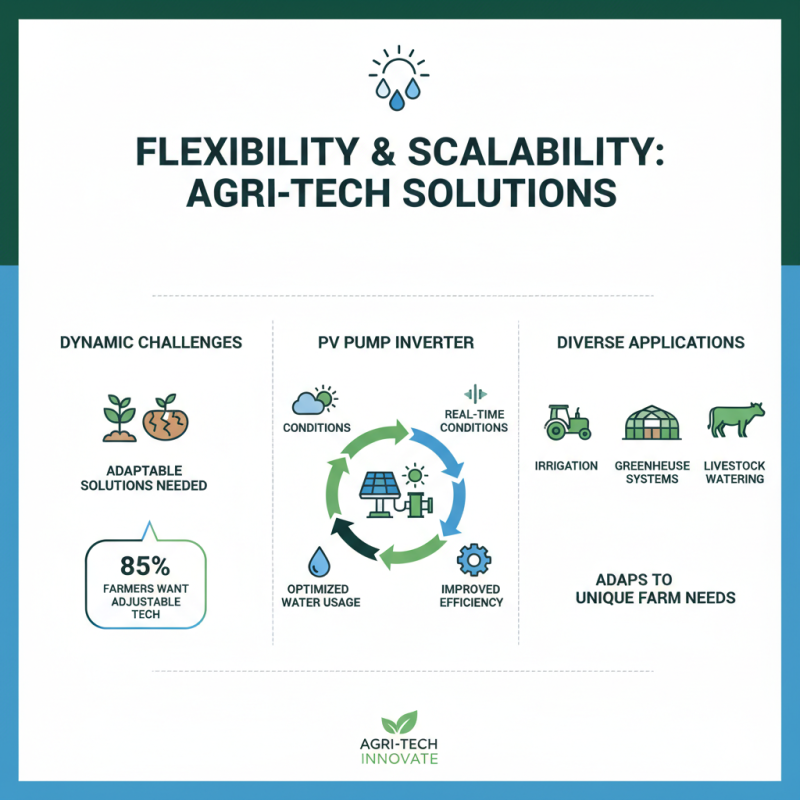
The agricultural sector faces dynamic challenges that necessitate adaptable solutions. Using a PV pump inverter allows for flexibility in varying agricultural applications. According to a recent report, nearly 85% of farmers seek technology that can adjust to their unique needs. A PV pump inverter can optimize water usage based on real-time conditions, improving efficiency.
Data highlights that farms leveraging these inverters have increased water recovery rates by 30%. This reliability leads to enhanced crop yields and reduced operational costs. Moreover, these inverters can seamlessly integrate with existing systems, providing a scaling advantage. They can easily adapt as business demands change, from irrigation to livestock water supply.
However, integration is not without its challenges. Technical training for staff is vital to maximize benefits. Some operators may find it daunting to transition from traditional methods. Recognizing these complexities is essential for successful implementation. The potential for efficiency gains remains high, but adequate support is necessary. These factors shape the decision-making process for many farmers considering PV pump inverters.
Real-Time Monitoring and Control Features of PV Pump Inverters
Monitoring and controlling your solar pump system in real-time is invaluable. The PV pump inverter enables seamless oversight of performance. This technology helps in tracking energy consumption and pump efficiency. With a user-friendly interface, adjustments can be made quickly. You gain immediate feedback on system performance. Instant data allows for proactive maintenance, reducing downtime.
Real-time monitoring features contribute to decision-making processes. Data analytics provide insights that optimize energy usage. This leads to increased savings and improved sustainability. However, the effectiveness of these systems relies on proper setup and configuration. Misconfigurations can lead to poor performance. Ensuring the system is tailored to your specific needs is crucial.
The interoperability of the Solar Oil Pump Inverter with existing systems enhances flexibility. It supports various pumping applications, adapting to different operational requirements. While these systems offer numerous benefits, understanding their limitations is also important. Regular training and updates are needed to keep up with evolving technology. Investing time in learning can significantly improve operations.
Environmental Benefits of Using Renewable Energy for Pumping
The shift toward renewable energy sources for pumping systems has gained momentum. Solar Submersible Pump Inverter technology exemplifies this trend. It allows businesses to harness solar power for efficient water pumping, reducing their carbon footprint. Reports indicate that the use of solar energy can lead to a 50% decrease in greenhouse gas emissions compared to traditional fossil fuel sources.
Moreover, these inverters offer significant energy savings. By utilizing solar energy, businesses can save up to 80% on energy costs. This is particularly advantageous for agricultural and irrigation purposes. A study by the International Renewable Energy Agency estimated that increasing renewable energy use in agriculture could improve sustainability and efficiency.
However, transitioning to solar technology isn't without challenges. Initial investment costs can be high, and ongoing maintenance is essential. Additionally, the energy output is variable, depending on sunlight exposure. Businesses must adapt their operations to these fluctuations. Despite these concerns, the environmental benefits are compelling. The adoption of Solar Submersible Pump Inverter technology reflects a crucial step in promotingsustainability and conservation in water management practices.
Simplified Installation and Maintenance Compared to Traditional Systems
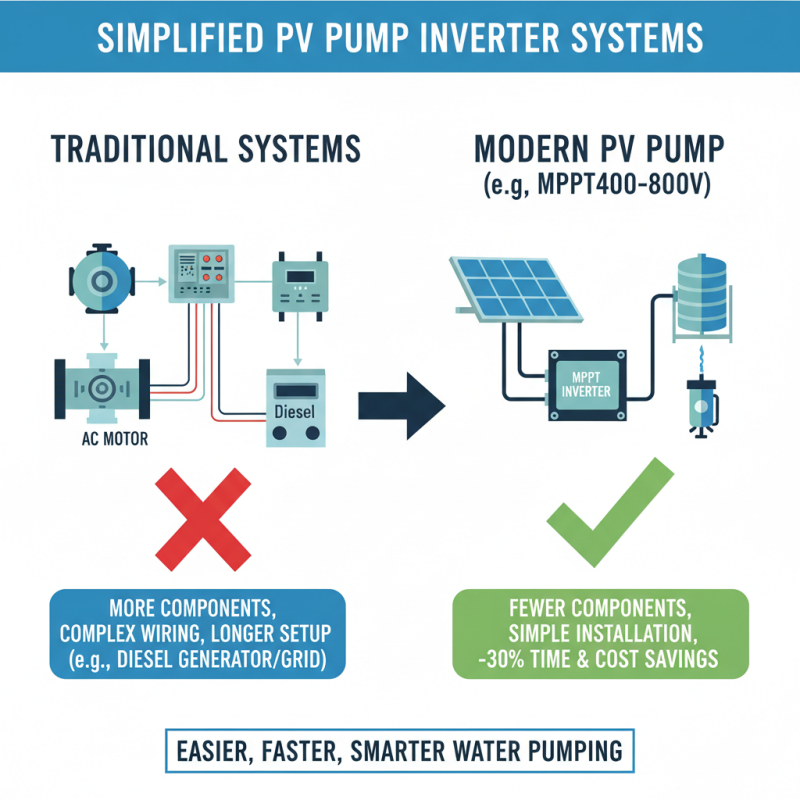
The simplicity of installing and maintaining a Pv pump inverter system offers substantial advantages for businesses. The Mppt400-800v Water Pump Inverter, for instance, streamlines the setup process. This inverter utilizes fewer components than traditional systems, reducing installation time and costs. Reports suggest that installation time can decrease by as much as 30%, leading to immediate savings.
Maintenance is also significantly easier. Traditional systems often require expensive upkeep due to complex parts. Conversely, the Mppt400-800v Water Pump Inverter minimizes these needs. With fewer mechanical components, potential points of failure diminish. Data from industry surveys indicate a 40% reduction in maintenance-related downtime. Businesses can redirect these saved resources toward other productive activities.
However, not all benefits are guaranteed. Some companies struggle with the transition. Employees may require training to adapt to new technology. The initial cost of investment, while justifiable in the long run, can also be a barrier. Hence, decision-makers need to weigh the advantages against these considerations for a successful implementation.
Comprehensive Guide to 400-800V DC Wide Voltage Off-Grid Inverters: Features, Benefits, and Applications
In recent years, the demand for efficient and cost-effective renewable energy solutions has surged, leading to the development of 400-800V DC wide voltage off-grid inverters. These innovative devices eliminate the need for conventional battery storage systems, which often come with high costs, limited lifespans, and ongoing maintenance challenges. By harnessing advancements in power electronics, these inverters provide a feasible alternative that allows for self-generation and self-consumption of energy. This model facilitates a seamless transition to renewable energy without incurring the additional expenses associated with battery storage.
The key advantage of these wide voltage inverters is their ability to operate efficiently in varying voltage conditions, making them suitable for diverse applications. Their deployment in off-grid photovoltaic systems significantly enhances energy management, enabling users to achieve cost-effective energy solutions. By leveraging a system architecture that supports direct utilization of generated power, users can effectively maintain energy independence while minimizing financial investment. This innovative approach fulfills the growing need for sustainable energy systems that align with contemporary environmental and economic standards, revolutionizing how off-grid energy solutions are approached.
FAQS
: It optimizes solar energy use and adjusts motor speed according to solar availability.
Regular monitoring helps identify performance issues early, leading to better energy usage and savings.
Assess your specific energy needs and water requirements for maximum efficiency.
Installation is simpler and quicker, potentially saving up to 30% in time and costs.
PV pump inverters require less maintenance due to fewer components, reducing downtime by about 40%.
Yes, the initial setup can be daunting, and employees may need training to adapt to new systems.
Yes, even slight adjustments can lead to improved energy usage and lower operational costs.
Initial investment costs can be high, and transitioning employees may require additional training.
Yes, understanding inverter technology is crucial for optimal system performance and troubleshooting.
No, some may struggle during the transition and must weigh advantages against potential difficulties.
Conclusion
The use of PV Pump Inverters offers numerous advantages for businesses, significantly enhancing energy efficiency while reducing operational costs through decreased energy consumption. These systems not only improve the reliability and durability of pumping operations but also provide the flexibility and scalability needed for diverse agricultural applications. With real-time monitoring and control features, PV Pump Inverters empower businesses to optimize their performance and maintain smooth operations.
Moreover, utilizing renewable energy for pumping through PV Pump Inverters contributes to environmental sustainability by lowering carbon footprints. The ease of installation and maintenance when compared to traditional systems further solidifies the appeal of PV Pump Inverters, making them an excellent choice for businesses looking to innovate and enhance their operations effectively.